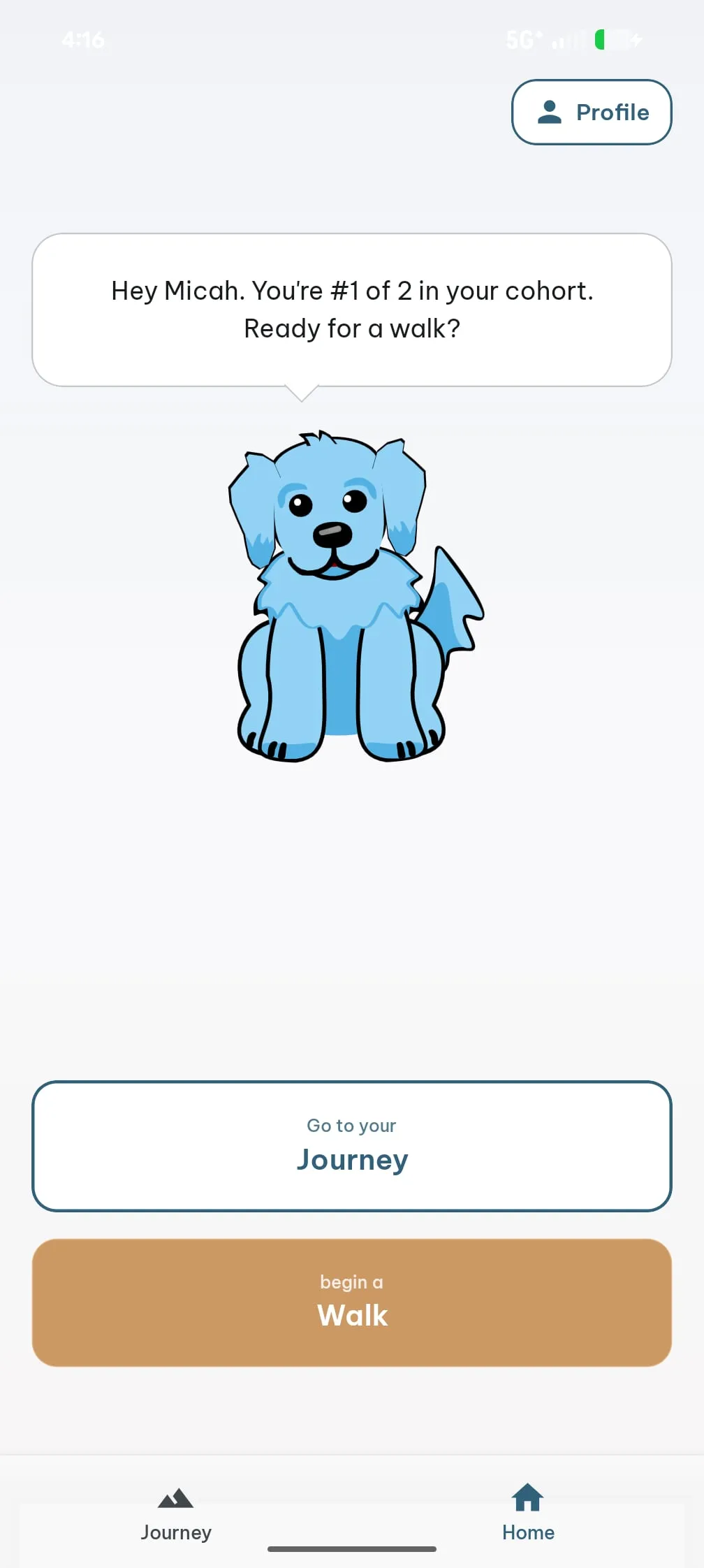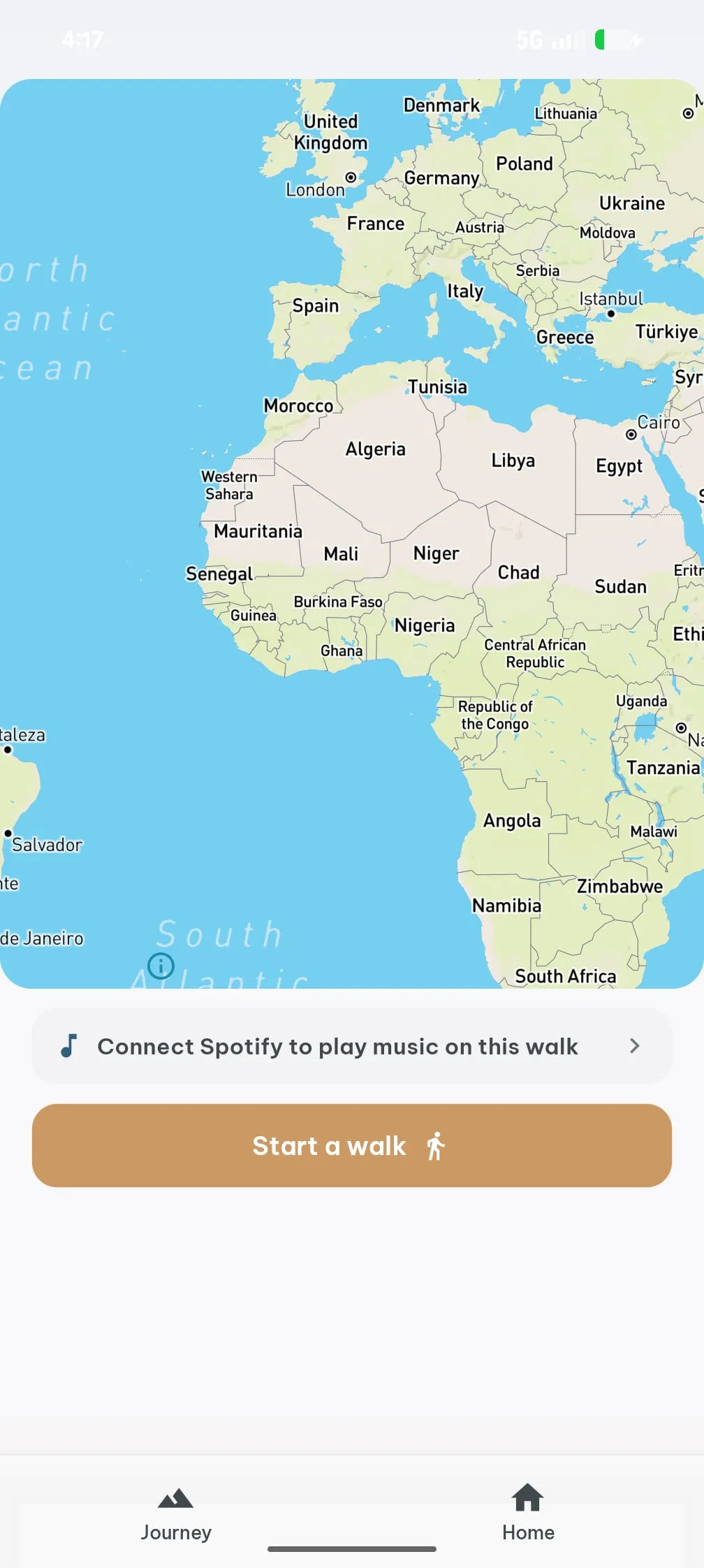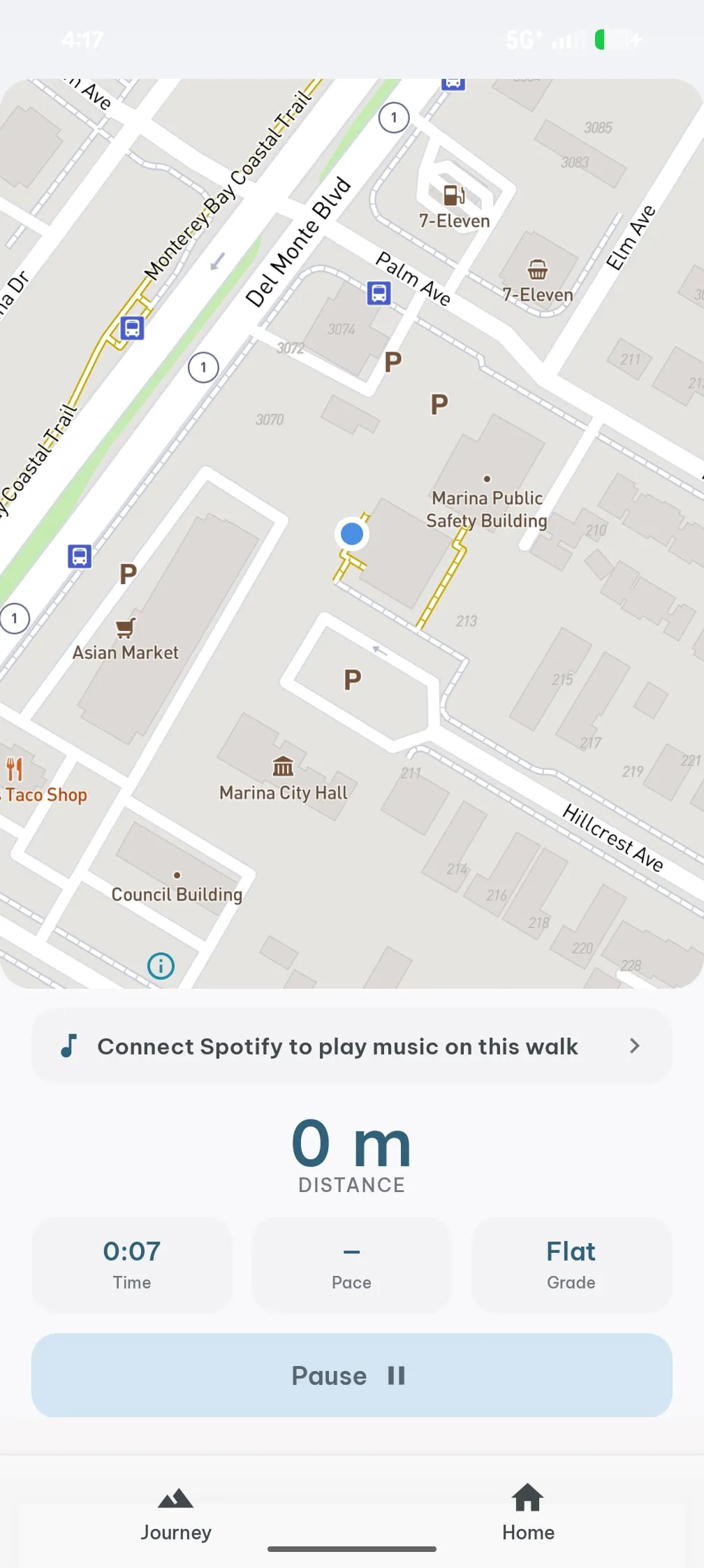


Longitudinal Electrocardiography and Photoplethysmography for Pathophysiology (LEPP) is a mobile app that aids in detecting, measuring, and preventing cardiovascular disease. Building on prior research, this app provides individual heart analysis that adapts to your personal cardiovascular biomarkers.
LEPP aims at promoting preventitive heart-disease behavior by providing actionable goals to users based on users personal physiology, and strives to capture early signs of heart events/disease to prevent further cardiovascular health declination.
Research grounded
Benchmarked against or integrated with
NeuroKit2 HeartPy pyActigraphy pyPPG / PulseDB Polar BLE SDK
Progress snapshot
Development model. The mobile app is currently in the validation harness phase.
- Capture
- Offline analysis
- Validation harness Now
- Product surface
Methodology brief
-
Literature synthesis with explicit inclusion criteria (wearable physiology, longitudinal baselines, sleep/activity methods, dual-sensor caveats).
-
Initial data collection and analysis with chosen hardware/firmware to assess project feasibility.
-
Longitudinal tooling and analysis built out.
-
Real self-collected ambulatory wearable sessions (multi-day streams).
-
Head-to-head comparison against established open tooling.
-
Ablation-style bakeoffs: competing policies tested on the same data; a default chosen from measured outcomes.
-
Shared Kotlin Multiplatform analytics core parity-tested on JVM against the offline Python validation harness, plus mass audits on stored results.
LEPP was originally designed for the Hybrid Analysis Wearable for Longitudinal Electrocardiography and pathophysiologY (HAWLEY) project but has been pivoted to integrate with industry-standard heart-rate sensors after HAWLEY was paused due to time and resource constraints.
Evidence is primarily self-collected wearable data. LEPP does not yet claim clinical, polysomnography, or cuffless blood-pressure ground truth.